Clean compressed air is essential for many industrial operations. Dust, oil, moisture, and other contaminants can reduce equipment efficiency, increase maintenance costs, and affect product quality. High-performance air filtration helps remove contaminants before they reach downstream equipment, delivering clean and reliable compressed air.
Although HVAC systems and heating ventilation and air conditioning systems use air filters to improve indoor comfort, industrial compressed air systems require specialized filters designed to remove airborne contaminants from compressed air. Understanding how these filters work and maintaining them properly helps improve system performance, reduce wear and tear, and extend equipment life.
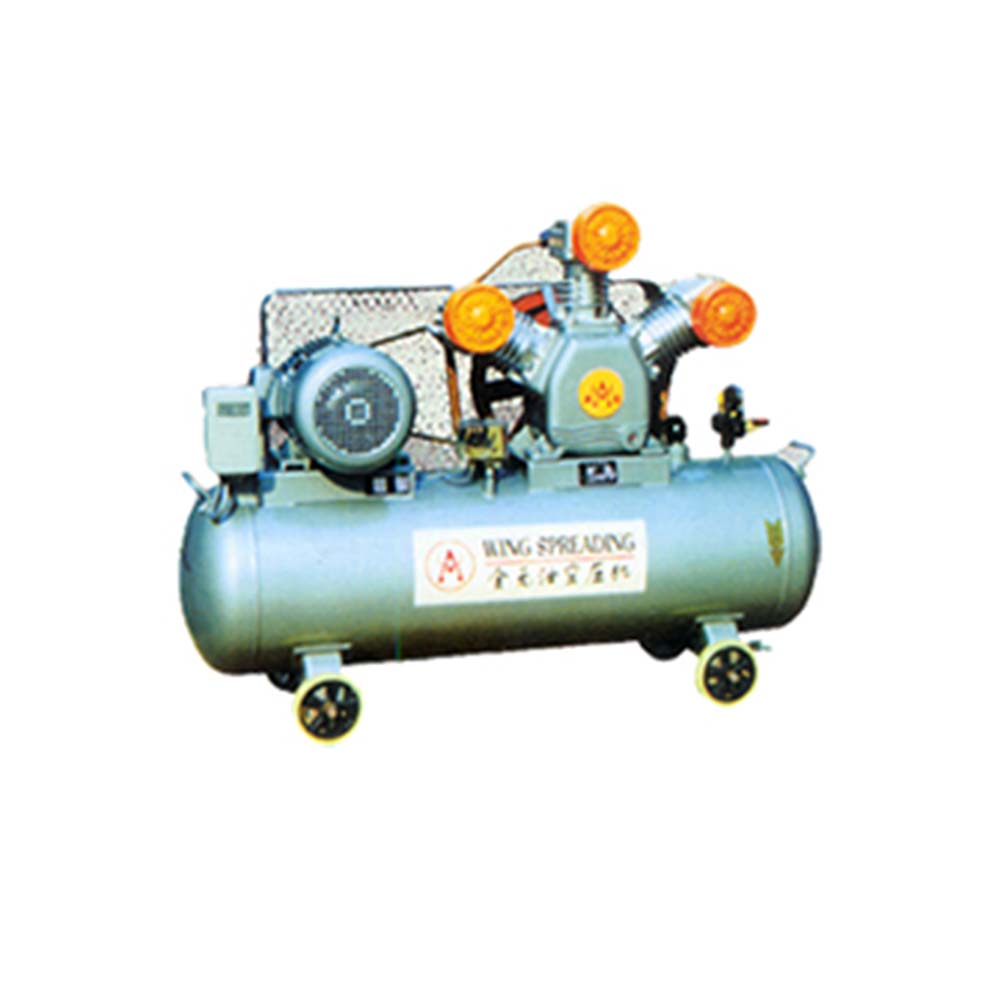
Every industrial compressed air system draws in outdoor air, which naturally contains contaminants such as:
· Dust
· Dirt
· Dust pollen
· Water vapor
· Oil aerosols
· Airborne particles
· Microorganisms
During compression, these contaminants become concentrated. Without proper filtration, they travel through the air distribution system and can damage valves, pneumatic tools, production equipment, and finished products.
Proper air filtration produces cleaner compressed air and supports reliable production.
Compressed air passes through several stages of filtration.
Depending on the application, filters may remove:
· Large solid particles
· Water droplets
· Oil aerosols
· Fine particulates
· Oil vapor
· Odors
· Certain volatile organic compounds
Different filter media are designed for different contamination levels.
Particulate filters remove solid contaminants such as:
· Dust
· Rust
· Pipe scale
· Dirt
They protect downstream equipment from physical damage.
Coalescing filters capture:
· Oil aerosols
· Water droplets
· Fine liquid particles
Small droplets combine into larger droplets and are removed from the airflow.
Activated carbon filters remove:
· Oil vapor
· Odors
· Certain volatile organic compounds
These filters are commonly used where very clean compressed air is required.
Industries such as pharmaceutical manufacturing and food production often install sterile filters to remove microorganisms before compressed air reaches the production process.
Air filters and compressed air dryers perform different tasks.
Air filters remove:
· Solid contaminants
· Oil
· Liquid droplets
Air dryers remove:
· Water vapor
Together they produce clean, dry compressed air that protects equipment and improves production reliability.
Many people are familiar with filters used in an HVAC system.
In heating ventilation and air conditioning equipment, filters help:
· Improve indoor air quality
· Remove airborne particles
· Capture dust pollen
· Reduce airborne contaminants
· Help maintain a cleaner indoor environment
Although HVAC filters and compressed air filters have different purposes, both aim to improve air cleanliness and equipment performance.
One common standard used in HVAC filtration is the Minimum Efficiency Reporting Value (MERV).
The MERV rating measures how efficiently a filter captures particles of different sizes.
A higher minimum efficiency reporting value MERV generally indicates better particle removal.
Typical applications include:
| MERV Rating | Typical Use |
| 1–4 | Basic residential filtration |
| 5–8 | Commercial buildings |
| 9–12 | Better indoor air filtration |
| 13–16 | Hospitals, laboratories, clean environments |
While MERV ratings are widely used in HVAC filters, compressed air filters are typically rated by particle size, oil removal efficiency, and filtration accuracy.
Installing the correct filters provides several advantages.
High-quality filtration improves compressed air quality, reducing contamination throughout the system.
Clean air reduces internal contamination, minimizing wear and tear on valves, cylinders, and pneumatic tools.
A clean filtration system helps maintain proper airflow.
Lower pressure loss contributes to better energy efficiency, reducing compressor power consumption.
Proper filtration supports consistent system performance and reduces unexpected downtime.
Regular air filter maintenance is necessary to maintain filtration efficiency.
Maintenance should include:
· Checking pressure differential
· Inspecting filter housings
· Replacing damaged seals
· Draining collected liquids
· Monitoring operating conditions
Ignoring maintenance may increase pressure drop and reduce airflow.
Many users ask how often filters replace should occur.
The replacement interval depends on:
· Operating hours
· Air quality
· Compressor environment
· Filter type
· Manufacturer recommendations
Rather than replacing filters only after failure, scheduled maintenance helps maintain consistent performance.
Compressed air filtration is widely used in:
· Food processing
· Pharmaceutical manufacturing
· Electronics production
· Chemical processing
· Automotive manufacturing
· Medical equipment
· Textile production
Each industry has different air cleanliness requirements.
When selecting compressed air filters, consider:
Choose a filter that matches the compressor capacity.
Ensure the filter is rated for the system pressure.
Select the appropriate filter grade for the required air quality.
Consider:
· Filter element replacement interval
· Pressure drop
· Operating costs
Compressed air filters remove solid particles, oil aerosols, water droplets, and other contaminants to improve compressed air quality.
Replacement depends on operating conditions, contamination levels, pressure drop, and the manufacturer's maintenance schedule.
Yes. Clean filters reduce pressure loss, helping compressors operate more efficiently and lowering energy consumption.
HVAC filters improve indoor air quality for occupied spaces, while compressed air filters clean pressurized air used by industrial equipment and production processes.
A MERV rating (Minimum Efficiency Reporting Value) measures how effectively an HVAC filter captures airborne particles. It is commonly used for HVAC systems rather than compressed air filtration.
Air filters help maintain clean and reliable compressed air by removing contaminants before they reach downstream equipment. Combined with air dryers, they improve air quality, support stable system performance, reduce wear and tear, and improve energy efficiency.
Whether protecting manufacturing equipment or supporting demanding production environments, proper air filtration, routine air filter maintenance, and timely filter replacement help keep compressed air systems operating efficiently for the long term.