In the food and beverages industry, compressed air is widely used across production, packaging, and handling operations. From pneumatic tools and actuators to product contact applications, compressed air quality directly affects hygiene, process stability, and compliance. Moisture in compressed air systems can introduce contamination risks and reduce equipment reliability.
A refrigerated air dryer food industry solution is commonly applied as part of the air treatment process to remove moisture from compressed air and maintain consistent air quality throughout food manufacturing processes.
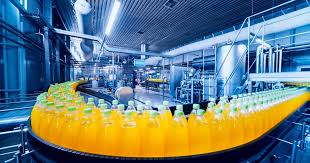
Food processing facilities follow strict air quality guidelines to protect products and consumers. Compressed air used in manufacturing processes must meet defined cleanliness levels, often referenced by ISO air quality class standards.
Key requirements include:
Achieving high quality compressed air begins with effective moisture control, especially in humid production environments.
Compressed air naturally contains water vapor drawn from ambient air. Without proper air treatment, moisture can condense inside pipelines and equipment.
Typical risks include:
Preventing moisture is a basic requirement for maintaining food safety and operational consistency.
Understanding how refrigerated air dryers work helps explain their role in food-grade compressed air systems. A refrigerated air dryer cools compressed air so that moisture condenses and can be separated before reaching downstream equipment.
The process involves:
This approach delivers dry compressed air with a stable pressure dew point, suitable for many food processing applications.
In food and beverage facilities, refrigerated air dryers are typically installed in the pre-treatment stage of industry compressed air systems.
Their main functions include:
As a type of compressed air dryer, refrigerated dryers provide a practical balance between performance, simplicity, and operating cost.
To meet food-grade air quality requirements, refrigerated air dryers are commonly paired with filtration components.
A typical configuration includes:
This combination helps ensure compressed air for food processing meets the required air quality class across a wide range of applications.
In most food and beverage plants, refrigerated dryers handle the main moisture load, while desiccant dryers are applied only in specific zones requiring very low humidity.
Refrigerated air dryers support a wide range of food and beverage applications, including:
By maintaining stable air quality, refrigerated dryers help ensure consistent performance across the production line.
Food manufacturers choose refrigerated air dryers because they offer:
These features make refrigerated dryers a common solution for food-grade air treatment systems.
Moisture can promote microbial growth, corrosion, and contamination, making moisture control essential for food safety and air quality compliance.
Yes. When combined with proper filtration, refrigerated air dryers support compressed air quality suitable for many food and beverage applications.
Refrigerated air dryers typically deliver a pressure dew point around +3°C, which prevents condensation in most indoor food processing environments.
Desiccant air dryers are used when extremely low dew points are required, such as in low-temperature or specialty food applications.
Yes. They are designed for stable, continuous operation and are widely used in food and beverage manufacturing facilities.
In food and beverage processing, maintaining clean, dry compressed air is essential for product safety and process consistency. A refrigerated air dryer plays an important role in removing moisture from compressed air during the pre-treatment stage, helping stabilize air quality before filtration. When properly integrated with compressed air dryers, filters, and monitoring systems, refrigerated air dryers support reliable operation across a wide range of food manufacturing applications while meeting recognized ISO air quality class requirements.