In CNC machining environments, compressed air is more than a utility—it directly supports machining accuracy, equipment reliability, and production consistency. From spindle purging to tool changers and pneumatic cylinders, CNC systems depend on clean and dry air. Moisture in a compressed air system can lead to corrosion, unstable motion, and unplanned downtime.
A refrigerated air dryer CNC solution is widely adopted in machining workshops because it delivers dry air with stable performance, energy-efficient operation, and long-term cost effectiveness.
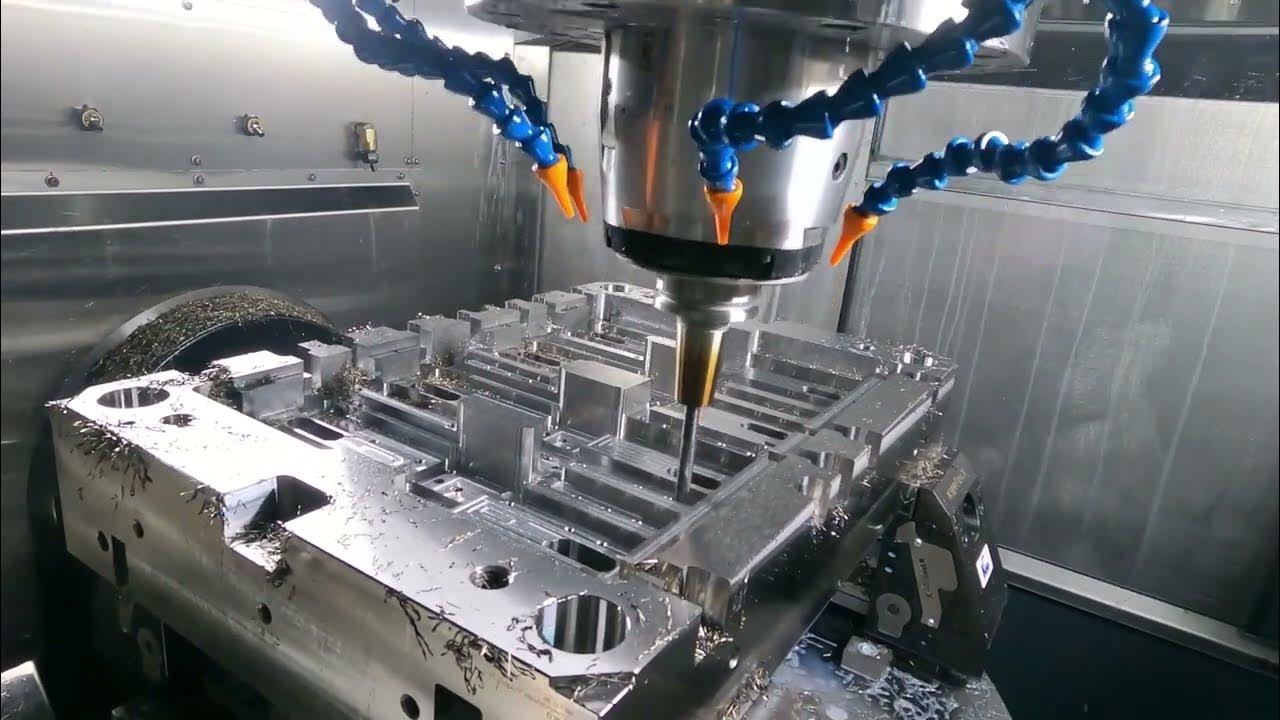
Modern CNC machines rely on compressed air in several key areas:
These applications require consistent compressed air quality CNC machining, free from moisture and contaminants. Even small amounts of water can compromise precision components over time.
When air compressors draw in ambient air, water vapor becomes part of the compressed air flow. As temperature drops, moisture condenses and spreads through the system.
Common issues include:
An air compressor dryer is essential to remove moisture before it reaches machine tools.
A refrigerated air dryer removes moisture by cooling compressed air using a built-in refrigeration system. As the air temperature drops, water vapor condenses and is separated from the air stream.
The drying process includes:
This method ensures stable drying without disrupting continuous machine operation.
In CNC workshops, maintaining a consistent dew point is more important than achieving extremely low temperatures. Refrigerated dryers typically provide a pressure dew point around +3°C, which is suitable for most machine tool applications.
Benefits of stable dew point control include:
Unlike fluctuating drying methods, refrigerated dryers offer consistent output under steady operating conditions.
CNC machining often runs for extended hours or multiple shifts. An energy efficient air dryer is necessary to control operating costs.
Refrigerated air dryers provide:
This balance of performance and efficiency makes them suitable for continuous CNC production.
For the wide range of CNC machining operations, refrigerated air dryers provide reliable drying without unnecessary complexity.
A properly selected air dryer for machine tools should match:
Correct sizing ensures consistent moisture removal while maintaining system stability across all CNC machines.
Manufacturers choose refrigerated air dryers because they offer:
These advantages support productivity and help protect high-value CNC equipment.
For most CNC machining applications, a refrigerated air dryer provides suitable dew point control, energy efficiency, and stable operation.
Dry air prevents moisture from entering spindle bearings, reducing corrosion and extending service life.
Refrigerated air dryers usually deliver a pressure dew point around +3°C, suitable for standard machine tool environments.
Yes. They consume less energy than desiccant systems and operate continuously without purge air losses, supporting long-term energy savings.
Yes, as long as the dryer is properly sized for the total compressed air flow and connected to a well-designed compressed air system.
In CNC machining environments, compressed air quality directly affects equipment stability, machining accuracy, and long-term operating costs. Moisture in the compressed air system can lead to corrosion, inconsistent pneumatic motion, and reduced service life of machine components. Using a properly sized refrigerated air dryer CNC setup allows manufacturers to maintain clean and dry air across spindles, tool changers, and pneumatic cylinders.
With a stable dew point, efficient heat exchange, and continuous operation, refrigerated air dryers provide a balanced solution for most CNC workshops. Compared with a desiccant air dryer, refrigerated dryers offer better energy efficiency and cost effectiveness for standard machining conditions. When integrated correctly with air compressors and matched to actual compressed air flow, a refrigerated air dryer supports reliable operation across a wide range of CNC machine tools while helping control long-term energy consumption.