In modern manufacturing plants, compressed air is widely used to power pneumatic tools, automation equipment, and production lines. However, one of the most common and underestimated issues in a manufacturing compressed air system is moisture. Without proper moisture removal in compressed air, condensation can damage equipment, reduce efficiency, and increase maintenance costs.
A refrigerated compressed air dryer is one of the most practical solutions for handling moisture in industrial environments, especially where stable operating conditions and continuous airflow are required.
Compressed air naturally contains water vapor. When air compressors compress atmospheric air, the temperature rises. As the compressed air cools downstream, moisture condenses inside the air stream.
Typical condensation problems in workshops include:
In humid climates or facilities running multiple air compressors, these issues appear even faster if no air dryer is installed.
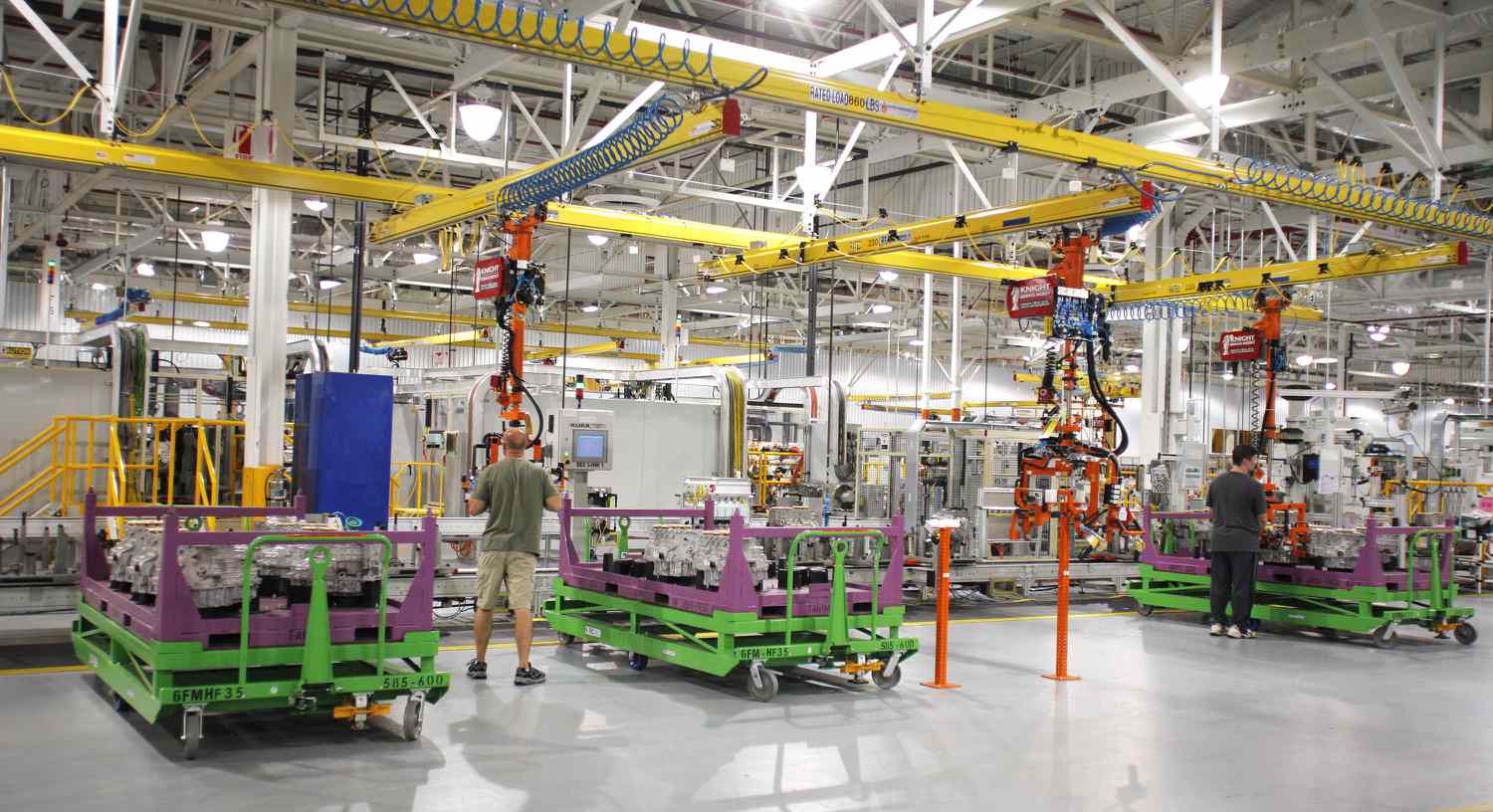
Moisture in a compressed air system directly impacts daily production:
Over time, moisture shortens equipment lifespan and increases downtime, especially in continuous manufacturing environments.
A refrigerated air dryer removes moisture by cooling the compressed air to a low temperature, causing water vapor to condense and separate from the air stream.
Key components include:
After drying, the air is reheated slightly to prevent condensation inside downstream piping.
This process delivers dry, stable air suitable for most manufacturing applications.
A cycling refrigerated air dryer adjusts its operation based on actual air demand. When compressed air flow decreases, the refrigeration system slows down or pauses, reducing energy consumption.
Advantages of cycling refrigerated designs include:
This makes cycling refrigerated models especially suitable for manufacturing plants with fluctuating production schedules.
Choosing between refrigerated air dryers and desiccant air dryers depends on application requirements.
For most workshops, assembly lines, CNC machining, and automation systems, a refrigerated compressed air dryer provides an effective balance between performance and cost.
Refrigerated air dryers are usually installed downstream of air compressors and upstream of filters and distribution piping. Proper matching between:
ensures stable moisture removal in compressed air and consistent air quality throughout the plant.
Manufacturers choose refrigerated air dryers because they offer:
These characteristics make them a common choice across metalworking, automotive, electronics, packaging, and general industrial manufacturing.
It removes moisture from compressed air by cooling the air stream, allowing water vapor to condense and be separated before reaching equipment.
In most manufacturing plants, yes. It provides adequate moisture removal in compressed air for pneumatic tools and automation equipment.
It is a type of refrigerated air dryer that adjusts refrigeration output based on actual air demand, helping reduce energy consumption.
They are compatible with most industrial air compressors, as long as flow rate, pressure, and inlet temperature are correctly matched.
Desiccant dryers are preferred when extremely low dew points are required, such as in pharmaceutical or specialty chemical processes.
Moisture is one of the most common challenges in any manufacturing compressed air system. Without proper control, condensation in the air stream can lead to equipment wear, unstable operation, and higher maintenance frequency. A refrigerated compressed air dryer provides a practical and proven approach to moisture removal in compressed air for most industrial environments.
By combining efficient heat exchanger design with stable refrigeration control, refrigerated air dryers deliver consistent air quality for pneumatic tools, automation equipment, and production lines. For manufacturing plants seeking reliable performance, reasonable energy consumption, and straightforward maintenance, refrigerated air dryers remain a widely adopted solution across different industries.
When correctly sized and integrated with air compressors, a refrigerated compressed air dryer supports long-term system stability and helps manufacturing operations maintain consistent productivity.