In modern compressed air systems, moisture control directly affects performance, equipment life, and air quality. After an air compressor generates compressed air, it still contains water vapor that must be removed before use. This is where types of compressed air dryers become essential.
Different air dryers working methods are designed to remove water, improve system stability, and ensure consistent output for industrial processes.
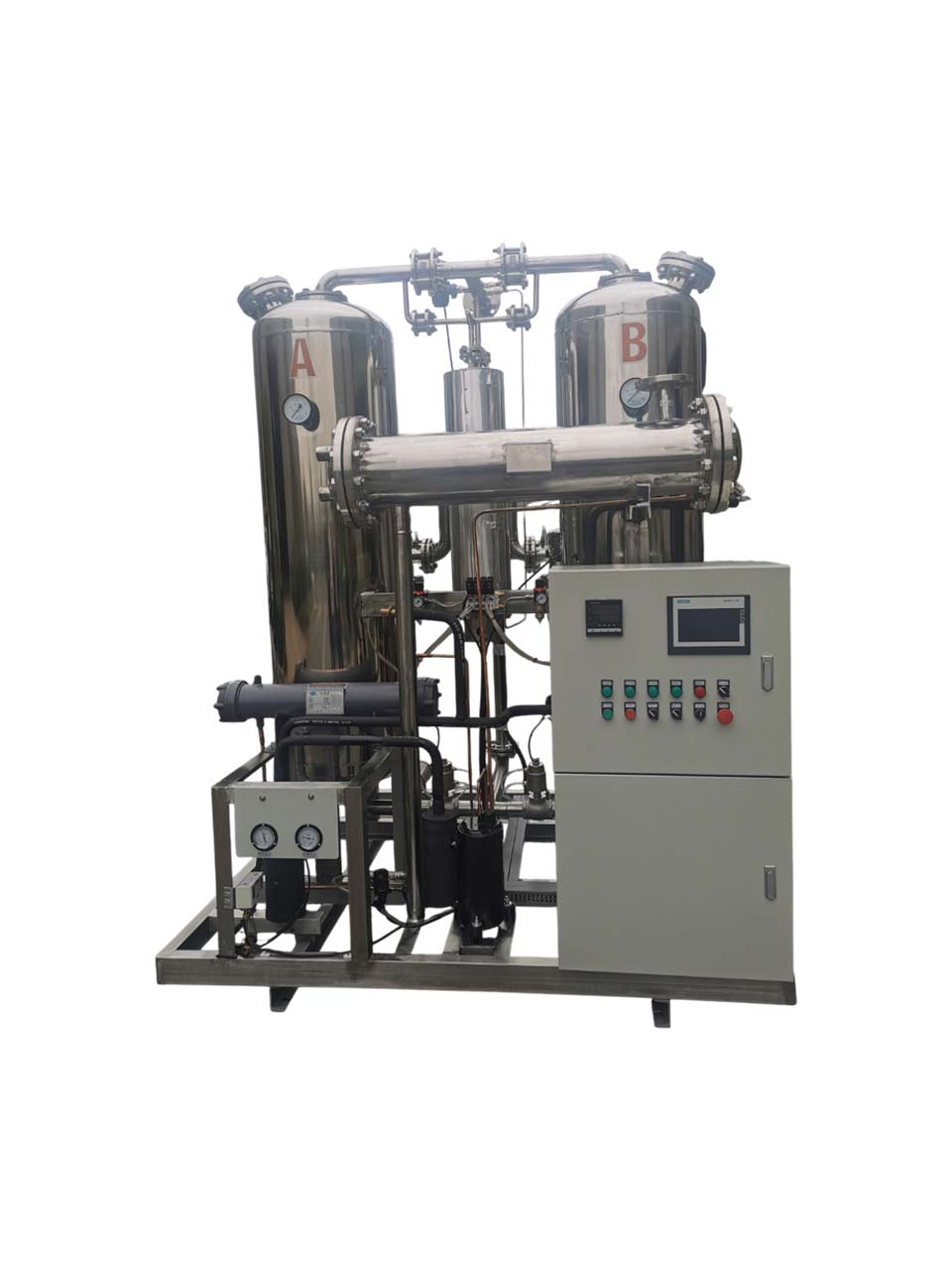
When compressed air passes through pipelines, it naturally carries moisture from ambient humidity. If not treated, this water vapor can:
· Corrode equipment
· Reduce pneumatic tool efficiency
· Affect product quality
· Cause blockages in air lines
To prevent these issues, compressed air systems use dryers to remove moisture and deliver clean output.
Understanding air dryers working principles helps explain how moisture is eliminated.
After compression, air becomes hot and humid. The drying process begins when:
1. Compressed air passes through a chamber
2. Moist air is treated by cooling or adsorption
3. Water vapor is separated or absorbed
4. Dry air is released for industrial use
The goal is to produce stable air with a controlled dew point.
A refrigerated air dryer is one of the most widely used type of dryer in industrial applications.
It works by cooling compressed air until moisture condenses into liquid water. This water is then removed from the system.
· Air enters a cooling chamber
· Air is cooled to a low temperature
· Water vapor condenses into liquid
· Moisture is drained automatically
· Stable dew point (typically above freezing level)
· Suitable for general industrial use
· Efficient and cost-effective operation
· Operates efficiently in continuous production environments
Refrigerated dryers are ideal when standard dryness is sufficient.
A desiccant air dryer, also known as adsorption dryers, uses materials that absorb moisture from compressed air.
These systems use desiccant dryers such as:
· Activated alumina
· Molecular sieves
1. Air flows through a desiccant bed
2. Moisture is absorbed by the material
3. One tower dries while the other regenerates
4. System cycles continuously
This method produces extremely dry air with a very low dew point.
There are several types of compressed air dryers used in industrial systems:
· Remove water by cooling air
· Best for general manufacturing
· Use adsorption to remove moisture
· Suitable for applications requiring extremely dry air
· Use selective permeation
· Compact but limited capacity
Each type of air dryers serves different industrial needs.
The dew point is a key factor in measuring air dryness.
· Refrigerated dryers: moderate dew point
· Desiccant dryers: extremely low dew point
Lower dew point means less water vapor in the system, improving overall air quality.
Selecting the correct dryer depends on:
· Required air dryness level
· Industrial application
· Energy efficiency requirements
· Air compressor system size
· Environmental conditions
If processes require moderate dryness, refrigerated systems are suitable. If ultra-dry air is needed, desiccant systems are preferred.
Using the correct drying system improves:
· Stable air pressure
· Reduced equipment wear
· Improved production consistency
· Lower maintenance costs
· Better energy utilization
Well-designed air treatment improves the entire compressed air system lifecycle.
Air dryers remove water vapor and moisture from compressed air produced by an air compressor, ensuring clean and dry air for industrial use.
Air dryers work by cooling compressed air or using desiccant material to remove moisture and deliver dry air.
Refrigerated dryers cool air to remove moisture, while desiccant dryers absorb moisture using drying materials.
Moisture must be removed to prevent corrosion, improve efficiency, and protect industrial equipment.
Dew point is the temperature at which water vapor in compressed air begins to condense into liquid water.
Different types of air dryers play an important role in improving efficiency in compressed air systems. Whether using a refrigerated air dryer or a desiccant air dryer, both systems ensure moisture is removed, protecting equipment and improving performance.