In modern compressed air systems, controlling moisture is essential for stable production and consistent air quality. After an air compressor generates compressed air, the air contains water vapor that must be removed before use. This is where different type of compressed air dryer technologies are used, mainly refrigerated air dryers and desiccant air dryers.
Understanding how these systems work helps industries choose the right solution for producing dry compressed air, improving energy efficiency, and maintaining equipment stability.
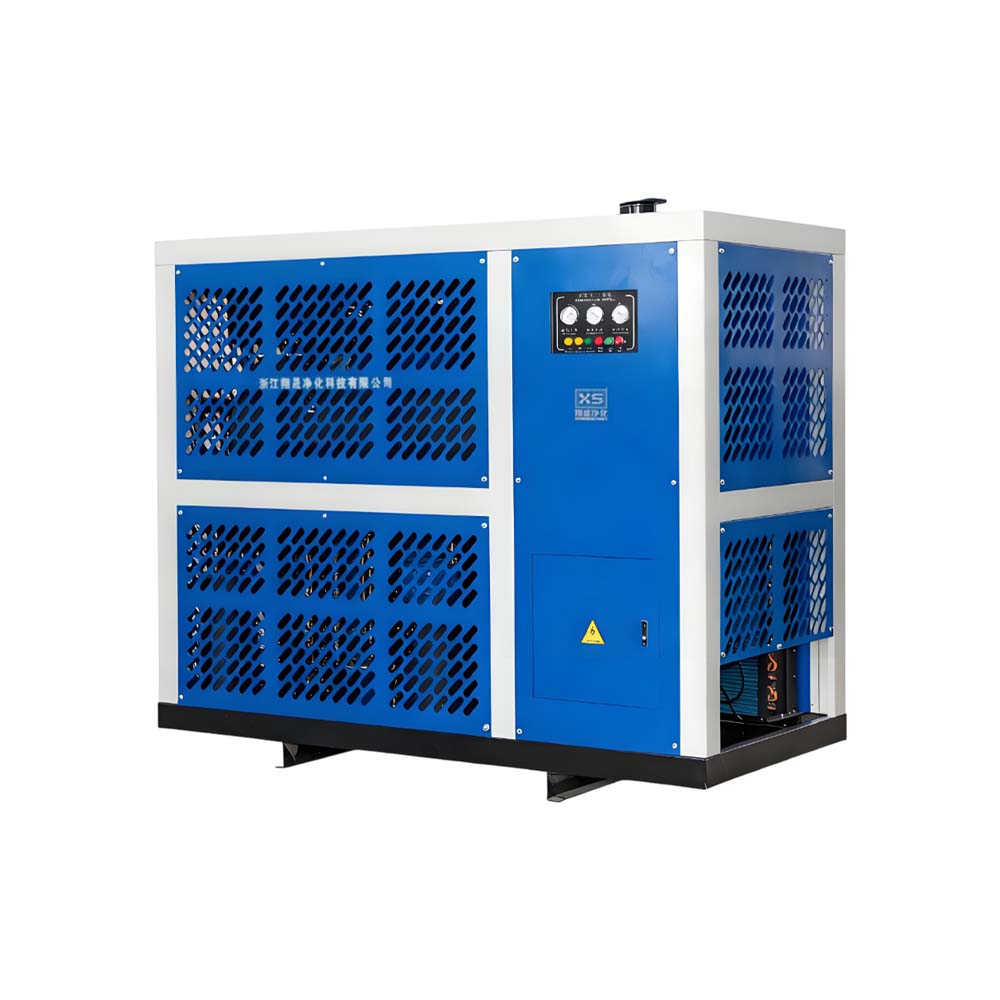
To understand the comparison, it is important to know how air dryers work.
After compression, hot and moist air flows into a drying system where moisture is removed through cooling or adsorption. The goal is to produce clean and dry air suitable for industrial use.
Two main technologies dominate the market:
· Refrigerated air dryers (cooling-based)
· Desiccant air dryers (adsorption-based)
Both systems deliver dry compressed air, but the method and performance level are different.
A refrigerated air dryer removes moisture by air cools technology. The compressed air passes through a heat exchanger where it is cooled to near freezing temperatures. This process condenses water vapor into liquid form, which is then drained away.
· Uses cooling process instead of chemical absorption
· Stable pressure dew point suitable for general industrial use
· Cost effective operation
· Low maintenance requirement
· Suitable for standard compressed air system applications
Refrigerated dryers are widely used where moderate dryness is acceptable and stable airflow is required.
An adsorption dryer (also called a desiccant air dryer) removes moisture using desiccant material such as activated alumina or molecular sieves.
These materials absorb water vapor from compressed air, producing ultra dry air or even desiccated air for sensitive applications.
1. Air passes through a tower filled with desiccant material
2. Moisture is captured by adsorption
3. One tower dries air while the other regenerates
4. The system uses purge air or heat for regenerating the desiccant
This cycle ensures continuous supply of dry air.
Two main materials are used in adsorption systems:
· Designed for extremely low humidity conditions
· Suitable for producing ultra dry air
· Common in electronics and precision manufacturing
· Strong moisture absorption capability
· Stable performance under continuous operation
· Widely used in industrial desiccant air dryers
Both materials support high-level drying performance in compressed air treatment systems.
One of the most important differences between these two systems is pressure dew point.
· Refrigerated air dryers: typically +2°C to +10°C
· Adsorption dryers: can reach -20°C to -70°C
A lower pressure dew point means more moisture is removed, resulting in drier air.
Best for:
· General manufacturing
· Automotive workshops
· Standard compressed air system use
· Applications where moderate dryness is enough
Best for:
· Pharmaceuticals
· Electronics manufacturing
· Laser cutting systems
· Processes requiring extremely dry air
When applications require ultra stable and dry conditions, adsorption systems are preferred.
Energy efficiency is an important factor when selecting a dryer system.
· Lower operating cost
· Simple cooling cycle
· Efficient for continuous airflow
· Higher energy use due to purge air or heat regeneration
· Higher dryness level
· Better for sensitive processes
While adsorption systems consume more energy, they deliver superior dryness performance.
· Fewer moving parts
· Easy maintenance
· Compact design
· Require periodic replacement of desiccant material
· Need control of regeneration cycle
· More complex system structure
· Refrigerated dryers: more cost effective for general industrial use
· Adsorption dryers: higher initial and operational cost but deliver ultra dry performance
When selecting between these systems, consider:
· Required air quality level
· Type of industrial process
· Moisture sensitivity
· Energy efficiency requirements
· Operating environment of the air compressor system
If standard dryness is enough, refrigerated dryers are suitable. If processes require extremely dry air, adsorption dryers are recommended.
Refrigerated dryers cool compressed air to remove moisture, while adsorption dryers use desiccant material like molecular sieves to absorb water vapor and produce ultra dry air.
They remove water vapor from compressed air after compression, using either cooling or adsorption methods to deliver clean and dry air.
Pressure dew point is the temperature at which moisture in compressed air begins to condense into liquid water.
Desiccant material such as activated alumina or molecular sieves absorbs moisture from compressed air in adsorption dryers.
They are used when applications require extremely dry air or very low pressure dew point levels.
Yes, refrigerated air dryers are generally more cost effective and suitable for standard industrial compressed air applications.
Both refrigerated air dryers and desiccant air dryers are essential technologies in modern compressed air systems. Refrigerated systems focus on cooling and cost efficiency, while adsorption systems provide ultra dry air using molecular sieves and activated alumina.