In modern compressed air systems, reliable air supply is essential for stable production across many industrial applications. After an air compressor operates, it draws in air from atmospheric air or ambient air, then air compresses and is delivered into a system where it is air is stored in a storage tank for later use.
However, untreated compressed air often contains moisture, oil, and particles. This is why compressed air treatment systems are widely used to ensure efficiency, protect equipment, and support stable operations in industries such as manufacturing, automotive, and food processing.
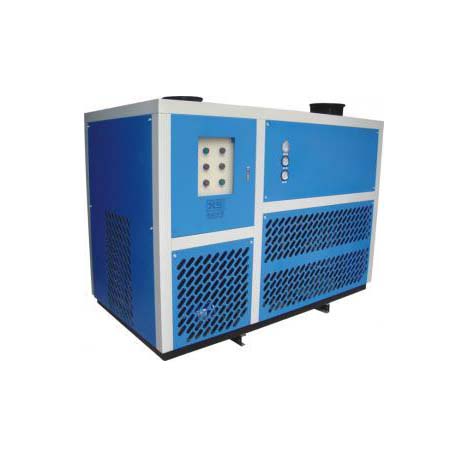
Understanding how compressed air systems function helps explain why treatment is needed.
The basic process is:
1. Air compressor draws in air from ambient environment
2. Air is compressed by a piston compressor, reciprocating compressor, or rotary screw compressors
3. The system compress the air and increases pressure
4. Compressed air is stored in a storage tank
5. Air is distributed for industrial use
During this process, pressure drops and contaminants can affect system stability if air is not properly treated.
· Continuous operation
· Suitable for large-scale industrial operations
· Often used where high energy efficient performance is required
· Uses reciprocating motion
· Suitable for intermittent use
· Works well with defined duty cycle
· Similar to piston systems
· Common in small to medium applications
· Lower upfront cost but higher wear under continuous use
Each compressor type affects how air is processed and how treatment systems are designed.
When air is compressed, natural impurities become concentrated. Without treatment:
· Moisture builds up in pipelines
· Energy costs increase due to inefficiency
· Equipment wear accelerates
· Air quality becomes unstable
Compressed air treatment systems help maintain stable performance across the entire system.
Modern systems focus heavily on energy savings and energy efficient operation.
Efficiency is influenced by:
· Compressor type
· System pressure stability
· Air leakage control
· Proper storage in storage tank
· Maintenance of airflow balance
Reducing unnecessary energy costs is a major goal in industrial system design.
A storage tank helps stabilize system pressure.
Benefits include:
· Balances airflow demand
· Reduces compressor cycling
· Helps manage pressure drops
· Improves system efficiency
When air is air is stored properly, the system operates more consistently under changing demand.
Compressed air is widely used in:
· Manufacturing
· Automotive assembly
· Construction tools
· Packaging systems
· Food processing equipment
· Chemical production
Many industries rely on compressed air because it is flexible, clean, and easy to distribute.
Compressed air systems may face:
· Energy losses during compression
· Improper system sizing
· Frequent pressure drops
· Excessive compressor load
· Poor duty cycle management
Addressing these issues improves system stability and reduces operating costs.
To improve system performance:
· Match compressor type to workload
· Use efficient rotary screw compressors for continuous operation
· Maintain proper storage capacity
· Monitor airflow and pressure stability
· Reduce unnecessary air consumption
These improvements support long-term energy efficient performance.
Compressed air systems are used to supply pressurized air for industrial tools, automation, and manufacturing processes.
An air compressor draws in air from atmospheric air and compress the air to store it in a storage tank for industrial use.
Piston compressors use reciprocating motion and work best for intermittent duty, while rotary screw compressors provide continuous airflow for industrial operations.
A storage tank helps balance demand, reduce pressure drops, and stabilize airflow across the system.
Energy costs can be reduced by improving system efficiency, using energy efficient compressors, and minimizing air leakage and pressure losses.
Compressed air systems are essential for many industrial applications, from manufacturing to food processing. By understanding how air is compressed, stored in a storage tank, and distributed, industries can improve system stability and reduce energy costs.
Selecting the right compressor type—whether piston, reciprocating, or rotary screw—combined with efficient system design helps achieve reliable performance, stable airflow, and long-term energy savings.