In modern compressed air systems, maintaining clean air and stable air flow is essential for reliable industrial performance. As air passes through different stages of compression and distribution, it naturally picks up moisture, oil, dust, and other contaminants. This is why compressed air dryers and compressed air filters are used together to deliver consistent dry air and filtered air for industrial use.
These systems are widely applied in manufacturing, pneumatic tools, HVAC systems, and other applications requiring stable air quality and efficiency.
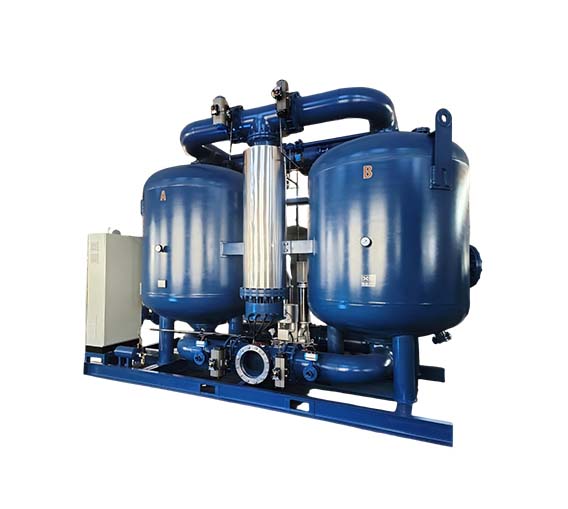
An air treatment system is designed to improve air quality after compression. The process typically includes:
1. Air enters the compressed air system
2. The air is compressed and sent through compressed air dryers
3. Moisture is reduced as dryers removes water
4. Air then passes through filtration stages
5. Final output becomes clean air suitable for use
During this process, air passes through multiple purification stages to ensure stable performance.
When air is compressed, several changes occur:
· Moisture concentration increases
· Temperature rises and then cools
· Oil and particles accumulate
· Contaminants become more concentrated
Without treatment, this can reduce air quality and affect equipment performance.
Air treatment systems solve these issues by combining drying and filtration technologies.
Understanding types of air dryers helps in selecting the right system:
· Cool compressed air to condense moisture
· Efficient for general industrial use
· Deliver stable dry air
· Use desiccant material such as activated alumina or molecular sieves
· Achieve very low dew points
· Ideal for sensitive applications requiring ultra-dry conditions
Compressed air filters remove solid particles, oil aerosols, and contaminants from airflow.
Key filter types include:
· Particulate filters (removing particles and dust)
· Coalescing filters (oil and fine mist removal)
· Activated carbon filters (odor and VOC removal)
These filters help ensure the output is filtered air suitable for sensitive processes.
Activated carbon filters are used to capture:
· Oil vapor
· Odors
· volatile organic compounds vocs
They are commonly used in air purifiers, industrial processing, and clean production environments.
In a complete air treatment system:
· Compressed air dryers reduce moisture
· Compressed air filters remove contaminants
· Both systems work in sequence to improve air quality
This combination ensures stable air flow and consistent clean air delivery.
Air treatment systems are widely used in:
· Manufacturing plants
· Food and beverage production
· Pharmaceuticals
· HVAC systems
· Automotive workshops
· Pneumatic tool operations
These environments rely on consistent dry air and stable system pressure.
Using both dryers and filters provides several advantages:
· Improved equipment lifespan
· Stable airflow performance
· Reduced contamination risk
· Cleaner output for sensitive processes
· Better system efficiency
These benefits are especially important in industries requiring high air purity.
A compressed air dryer removes water vapor from compressed air to produce dry air for industrial use.
Compressed air filters remove dust, oil, moisture, and fine particles from airflow, producing filtered air.
Air dryers work by cooling air or using desiccant material to remove moisture as air passes through the system.
Filters remove remaining particles and contaminants that dryers cannot fully eliminate, improving overall air quality.
Industries such as manufacturing, HVAC, food processing, and pneumatic tool operations rely on air treatment systems.
A complete air treatment system combines compressed air dryers and compressed air filters to ensure high-quality clean air output. As air passes through each stage, moisture, particles, and contaminants are progressively removed, resulting in stable dry air for industrial use.
From activated carbon filters to advanced desiccant drying systems, each component contributes to improving air quality across compressed air systems, supporting reliable performance in a wide range of industrial applications.