A reliable compressed air system requires more than just an efficient compressor. Moisture, oil vapor, and contaminants inside compressed air can affect air quality, damage equipment, and reduce production efficiency. Choosing the right compressed air dryer helps maintain clean dry air, protect downstream equipment, and improve overall system performance.
Different industries have different requirements. A small workshop using pneumatic tools may need a simple solution, while large industrial applications may require advanced drying technology with stable pressure dew point control.
This guide explains how to select the right air dryer for your air compressor system, including refrigerated dryers, desiccant dryers, sizing considerations, and energy efficiency factors.
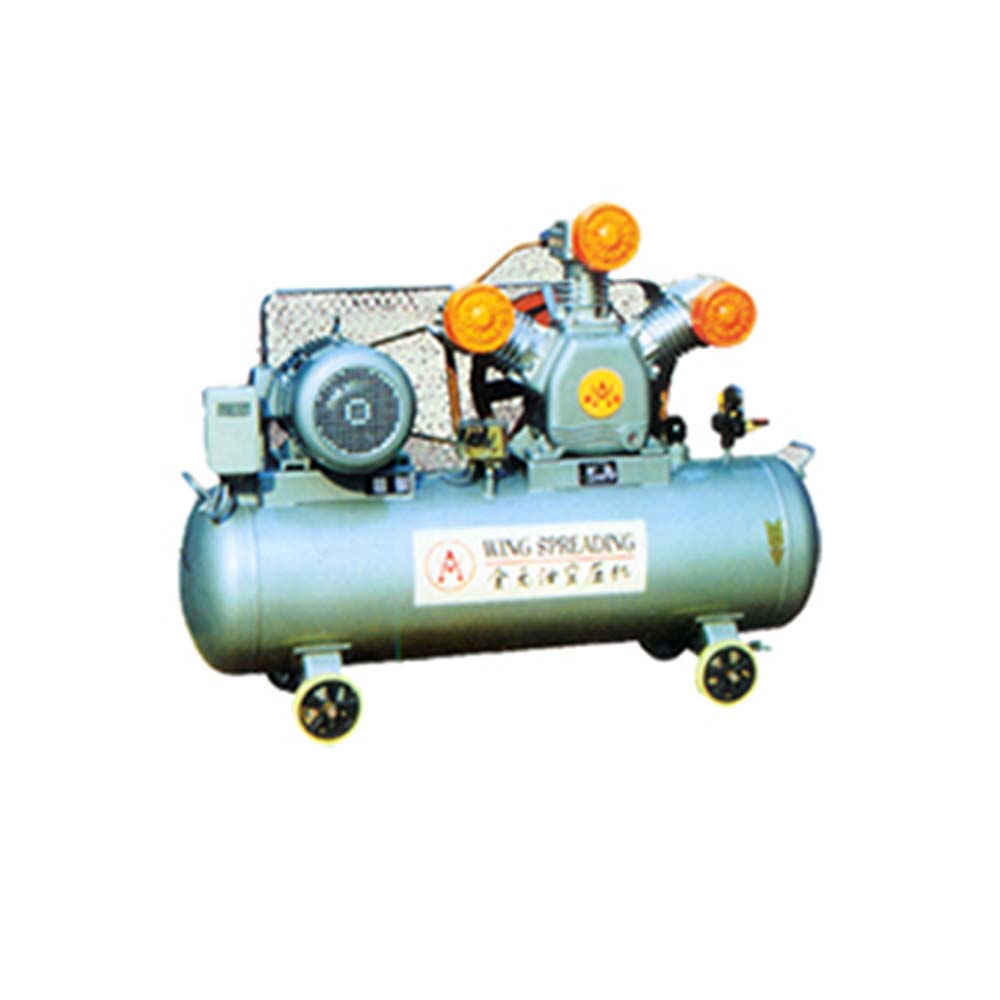
During the compression process, an air compressor draws in atmospheric air that naturally contains moisture. When air is compressed, water vapor becomes concentrated and can condense inside pipelines and equipment.
Without proper drying, moisture may cause:
· Corrosion inside air pipes
· Reduced tool performance
· Product contamination
· Higher maintenance costs
· Poor air quality
An air dryer helps remove moisture by drying compressed air before it reaches production equipment.
An air dryer is designed to reduce moisture content in compressed air.
The basic process:
1. The compressor produces compressed air
2. Moist air enters the dryer
3. The dryer removes water vapor through cooling or adsorption
4. Dry compressed air flows into the air distribution system
The result is stable clean dry air suitable for different applications.
When selecting the right compressed air treatment solution, the first step is understanding different dryer technologies.
A refrigerated dryer is one of the most common solutions for general industrial use.
How it works:
· Compressed air enters the dryer
· The air is cooled through a refrigeration system
· Moisture condenses into liquid
· Water is separated and removed
Advantages:
· Lower operating cost
· Energy efficient performance
· Suitable for general manufacturing applications
· Stable pressure dew point
Refrigerated dryers are commonly used with:
· Rotary screw air compressor systems
· Pneumatic tools
· Factory air networks
A desiccant dryer uses special drying materials to absorb moisture from compressed air.
Common desiccant materials include:
· Activated alumina
· Molecular sieves
· Silica gel
Advantages:
· Achieves very low pressure dew point
· Suitable for applications requiring extremely dry air
· Works well in sensitive industrial environments
Typical applications include:
· Pharmaceutical production
· Electronics manufacturing
· Food processing
· Special industrial processes
| Feature | Refrigerated Dryer | Desiccant Dryer |
| Drying method | Cooling and condensation | Moisture adsorption |
| Pressure dew point | Moderate | Very low |
| Energy consumption | Lower | Higher |
| Maintenance | Simple | Requires desiccant replacement |
| Applications | General industry | Ultra-dry air requirements |
The correct choice depends on required air quality, operating conditions, and application needs.
The pressure dew point is one of the most important factors when choosing an air dryer.
It indicates the temperature at which moisture begins to condense from compressed air.
A lower pressure dew point means drier air.
Examples:
· General factory air: Refrigerated dryer is usually sufficient
· Sensitive production processes: Desiccant dryer may be required
Choosing the correct dew point prevents unnecessary energy consumption while maintaining air quality.
Different compressors have different airflow characteristics.
A rotary screw air compressor usually operates continuously and requires a dryer designed for stable airflow.
Important factors include:
· Air flow capacity
· Working pressure
· Operating hours
· Temperature conditions
Smaller systems using pneumatic tools may require compact dryers with simpler designs.
A properly sized dryer ensures efficient operation.
An undersized dryer may cause:
· High pressure drops
· Poor moisture removal
· Reduced air quality
An oversized dryer may increase:
· Equipment costs
· Energy consumption
· Maintenance requirements
The dryer capacity should match:
· Compressor output
· Maximum airflow demand
· System pressure
· Operating environment
Modern factories focus on reducing energy costs while maintaining reliable performance.
An energy efficient air treatment system can reduce operating expenses by:
· Selecting the correct dryer technology
· Avoiding excessive pressure loss
· Matching dryer capacity to demand
· Managing peak demand
A properly designed system improves long-term efficiency.
Air storage tanks help stabilize compressed air systems.
Benefits include:
· Reducing pressure fluctuations
· Supporting peak demand
· Improving compressor operation
· Maintaining stable system pressure
A well-designed air storage system works together with the dryer to provide consistent airflow.
The compressor rating alone does not determine dryer requirements. Airflow, pressure, temperature, and application conditions must also be considered.
A small dryer may struggle during high demand periods and fail to maintain the required dew point.
Not every application requires ultra-low moisture levels. Using a desiccant dryer when a refrigerated dryer is enough may increase energy costs unnecessarily.
Before purchasing, consider:
What equipment uses the compressed air?
Examples:
· Pneumatic tools
· Manufacturing equipment
· Food processing systems
· Precision production lines
Determine the required:
· Moisture level
· Pressure dew point
· Filtration requirements
Check:
· Compressor type
· Airflow capacity
· Working pressure
Consider:
· Ambient temperature
· Inlet air temperature
· Working environment
A refrigerated dryer is commonly used with a rotary screw air compressor for general industrial applications. A desiccant dryer is selected when extremely low pressure dew points are required.
An air dryer removes moisture by either cooling compressed air to condense water or using desiccant materials to absorb moisture.
Most compressed air systems benefit from a dryer because untreated moisture can damage equipment and reduce air quality.
A refrigerated dryer removes moisture through cooling, while a desiccant dryer uses drying materials to achieve much lower moisture levels.
Choose a dryer based on compressor airflow, operating pressure, inlet temperature, required dew point, and application requirements.
Choosing the right air dryer is essential for maintaining efficient compressed air systems and reliable air quality. A refrigerated dryer provides an energy efficient solution for most general applications, while a desiccant dryer is suitable for processes requiring extremely dry air.
By considering compressor type, airflow demand, pressure dew point, air storage, and operating conditions, businesses can select the right drying solution, reduce energy costs, and maintain stable performance across industrial applications.